


| Scientific name |
Pangasius Hypophthalmus |
| Market names: |
swai, Pangasius, sutchi, Hajmal, Basa |
| Description: |
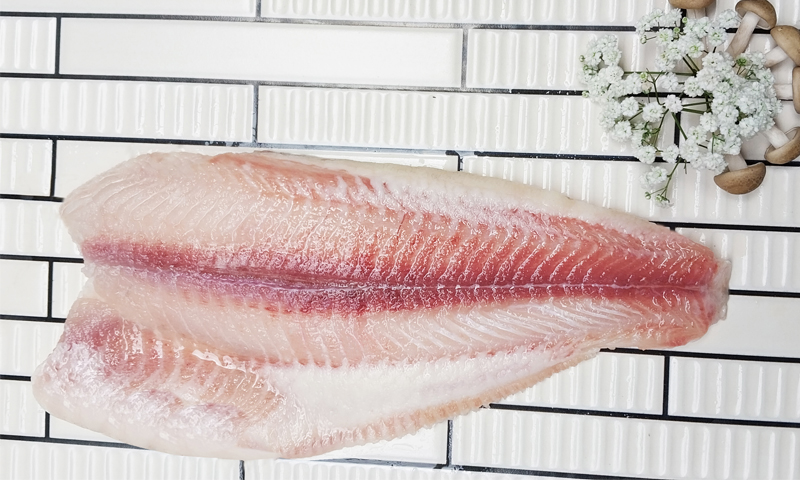
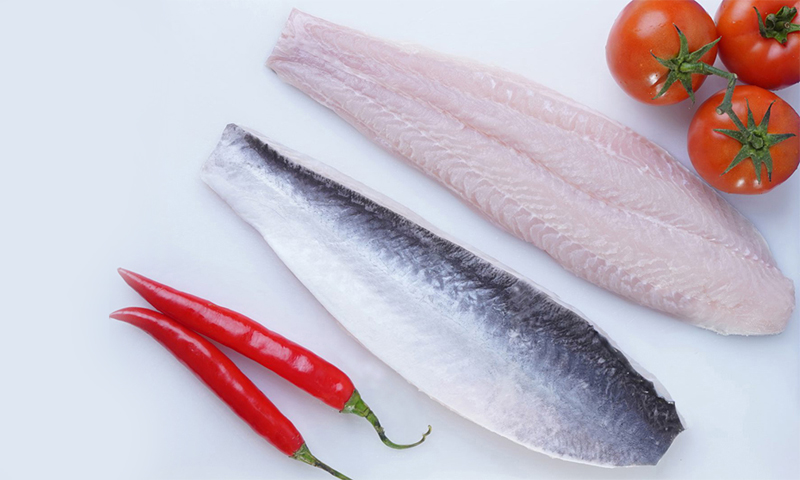
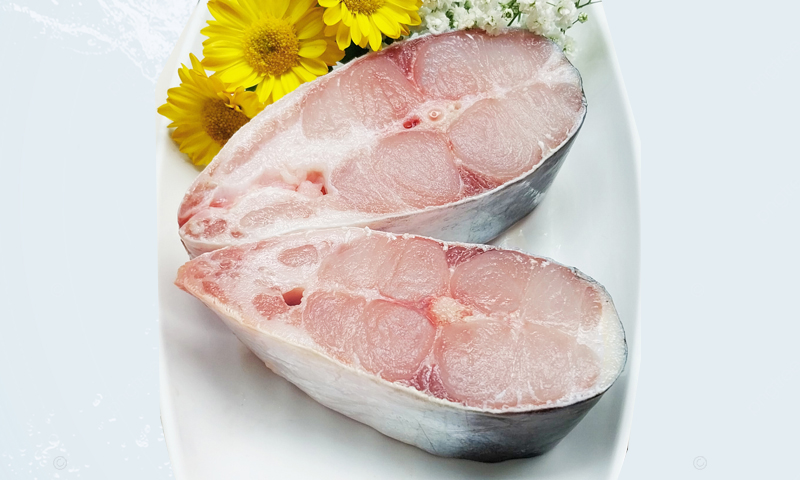
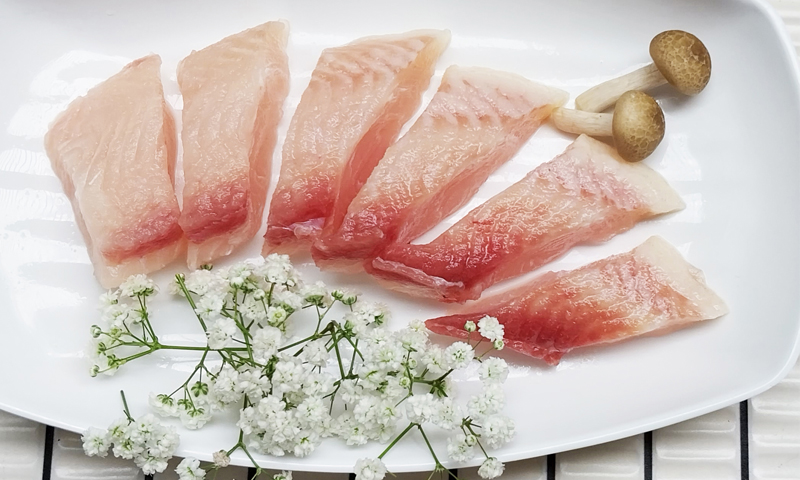
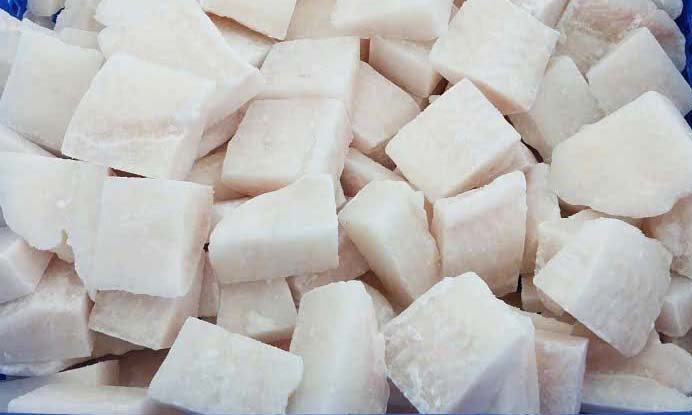
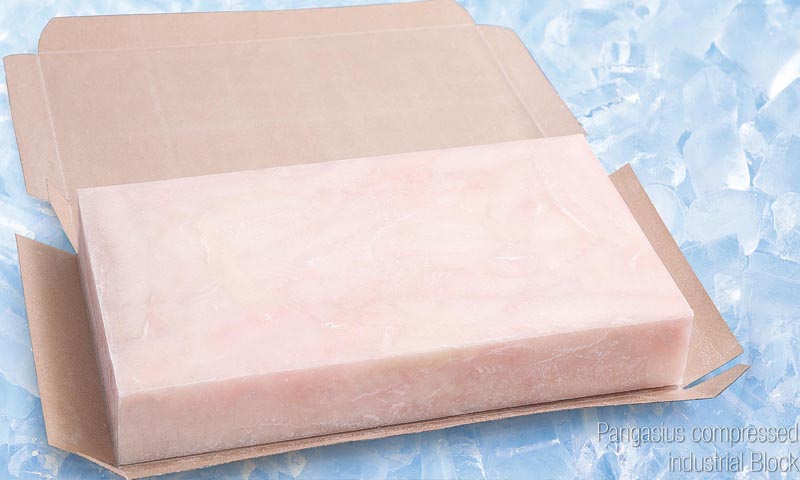
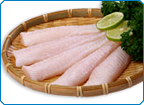
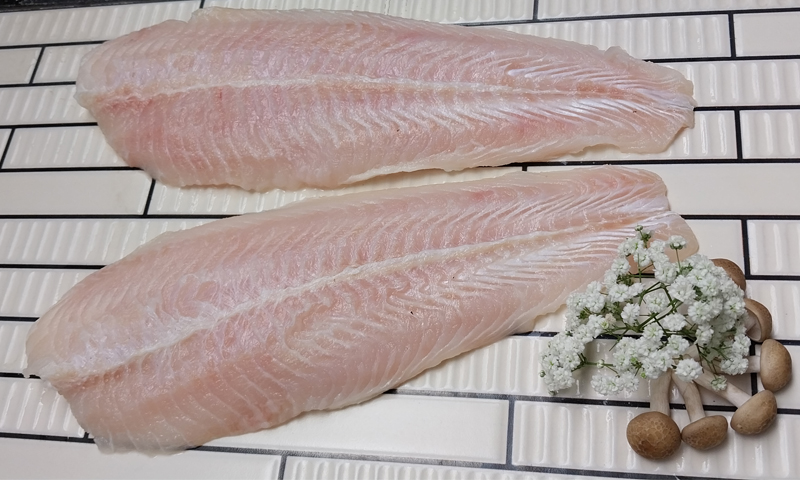
Pangasius is a tasty fish, with a delicate texture and nice white flesh. The fast- flowing waters of the Mekong give the meat a clean, fresh flavor. Cooked meat is ivory colored. |
| Source: |
Pangasius are most commonly found in the waters of Vietnam. Most farm-raised Pangasius are raised in An Giang and Can Tho province. |
| Harvest Season: |
Pangasius are available year-round. |
| Harvest Method: |
Farmed in floating cages and ponds. |
| Market Segments: |
Pangasius is appropriate for fine dining, hotel, and resort/club segments of the market. |
| Flavor: |
Pangasius has a mild and delicate flavor. |
| Texture: |
The texture of Pangasius is firm and slightly flaky. |
| Cooking Methods: |
Pangasius is best baked, broiled, stewed, sautéed, grilled, fried, poached, smoked, and steamed. It remains moist during cooking. |
| Quality Control:: |
Frozen shatterpack Pangasius fillets will maintain quality for 24 months at -18 degrees C or lower. |
| Other information |
Known as one of the most quality-controlled products in the food industry, Pangasius are grain-fed in order to produce standard, soft-textured, mild tasting meat. |
Nutrition Facts:
| Calories 96 |
Calories from fat 22 |
| |
% Daily Value * |
| Total Fat 2.4 g |
4% |
| Saturated Fat 0.8 g |
4% |
| Cholesterol 10 mg |
0% |
| Sodium 52 mg |
2% |
| Total Carbohydrate 0 g |
0% |
| Dietary Fiber 0g |
0% |
| Sugar 0g |
0% |
| Vitamin A 0.5% |
Vitamin C 0% |
| Calcium 3% |
Iron 3% | |