


|
| History and Popularity of Surimi |
|
 Surimi in Japanese means "Minced Fish", it's pronounced "Sir-Ree-Mee". Surimi is known in Asia long time ago, but recorded in Japanese in 1100 A. D. when the Japanese discovered that mincing fish flesh, washing it and then heating it, caused a natural gelling of the flesh. If this was then mixed with other ingredients and steamed, the resulting 'fish cake' (kamaboko) stayed together as though it were a natural product. |
|
The artistry of Surimi now is beyond just the block of frozen minced fish, but it's the art and craft of food history and development to feed the human need. Surimi was then widely spread and well known in America around 1970 and in Europe around 1980. Since then, Surimi could be found in any supermarket near you. |
|
Surimi is useful because it allows the manufacturer to make a lower quality protein, imitate the texture and taste of a higher quality product such as lobster tail. The resulting Surimi products, depending on the type of fish used in the process, are typically tasteless so they must be flavored, and contain 0-4 grams of Fat with 0-1 grams of cholesterol while still yielding 6-30 grams of protein per serving. |
|
Typically Surimi products have been in imitation of other seafood products, such as imitation crabstick, however several companies do produce Surimi sausages. |
|
 |
|
|
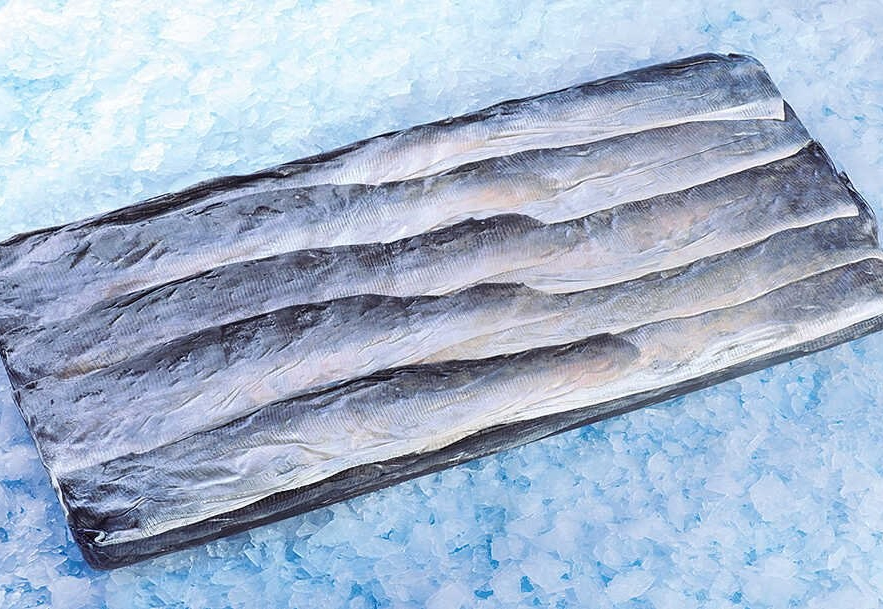
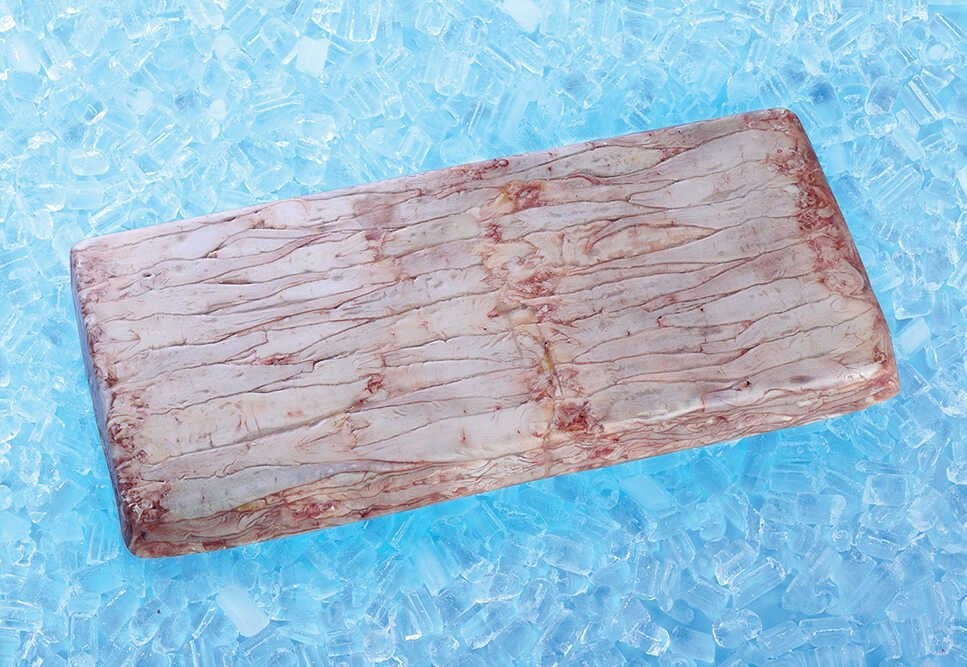
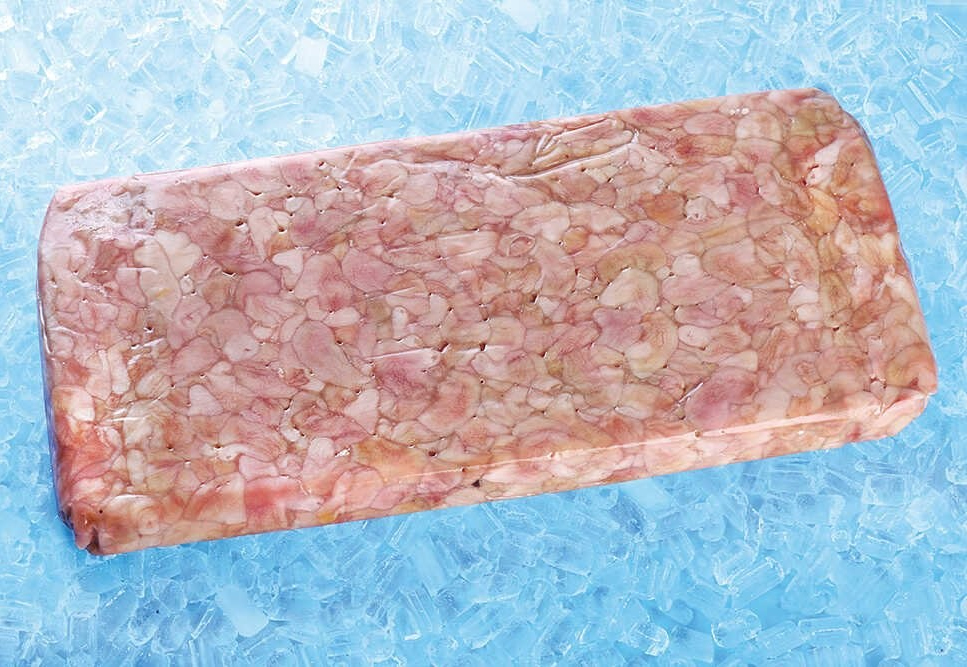
| Frozen surimi Specification |
| Kind of fish: |
 |
ITOYORI (Golden Threadfin Bream) |
 |
HAMO (Conger Pike) |
 |
KINTOKIDAI (Big Eye) |
 |
GUCHI (White Croaker) |
 |
Eso (Lizard fish) |
 |
Jelly strength: 100/300, 300/500, 500/700, 700/900, 900 up |
 |
Moisture: 76% +/-1 |
 |
Impurity (skin spot): 10/40gr |
 |
Ingredient: |
| • |
Pure fish meat: 93.7% |
| • |
Sugar: 6% |
| • |
STPP: 0.3% |
 |
Packing: 10 kgs/ block x 2/ ctn |
| |